
Cybersecurity Experts Jointly Criticize US Government's Restrictions on Anthropic AI Model Exports
Dozens of renowned cybersecurity experts jointly wrote to US Commerce Secretary Howard Lutnick and National Cyber Director Sean Cairncross, criticizing the Trump administration's ban on Anthropic opening its Fable 5 and Mythos 5 models to foreign entities. The experts argue that the export control directive lacks a basis in actual risk, yet weakens defenders' capabilities, creates market uncertainty, and endangers US AI leadership. As of Monday morning, the letter had garnered 76 signatures, including CEOs, CISOs, venture capitalists, and prominent security researchers.
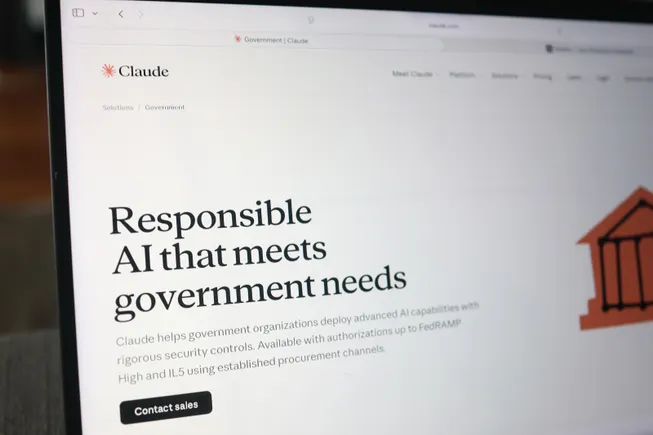
Dozens of prominent cybersecurity experts are criticizing the Trump administration's decision to bar Anthropic from opening access to its powerful new AI models to foreign entities.
The U.S. government's export control directive—which prompted Anthropic to fully suspend access to the Fable 5 and Mythos 5 models, including in the United States—was described in a letter from experts to Commerce Secretary Howard Lutnick and National Cyber Director Sean Cairncross on Sunday as "taking the best models away from defenders without a factual basis for risk, creating market uncertainty, and endangering U.S. AI leadership."
The Trump administration reportedly told Anthropic on Friday to immediately block foreign nationals, including Anthropic employees, from accessing the new models. This move came after Amazon researchers were able to bypass some of Fable 5's anti-hacking safeguards. Anthropic designed Fable 5 to deliver the same performance as its widely watched Mythos models, but with restrictions to prevent weaponization. However, Amazon CEO Andy Jassy allegedly warned Trump administration officials that these safeguards were flawed.
Disagreement over the severity of the vulnerability
In announcing the complete shutdown of access to Fable 5 and Mythos 5, Anthropic said the U.S. government informed it of "a potential, narrow, non-universal jailbreak vulnerability that essentially involved asking the model to read a specific codebase and fix any software flaws."
"We reviewed demonstrations of that specific technique identifying a small number of previously known, minor vulnerabilities," Anthropic said in a statement. "These vulnerabilities all appeared relatively simple, and we found that other publicly available models could discover them without jailbreaking."
The letter from cybersecurity experts—which had garnered 76 signatures by Monday morning, including CEOs, CISOs, venture capitalists, and prominent security researchers—echoed Anthropic's perspective.
"Anthropic's Mythos-class models are quite good at finding vulnerabilities and weaponizing exploits," the letter stated. "However, they are not unique in these tasks, and many signatories use other foundation and open-source models daily for security audits and red teaming."
In fact, a recent government competition gave rise to open-source AI models that have revolutionized the process of discovering software vulnerabilities, in many cases at a fraction of the cost of the more well-known models from leading AI vendors.
Concerns about U.S. AI competitiveness
Anthropic argued that banning access to Fable and Mythos based on capabilities that many models possess is nearly meaningless.
"If this standard were applied across the industry," Anthropic said, "we believe it would effectively prevent all frontier model providers from deploying new models."
The dispute over access to Anthropic's AI models comes as the United States and China compete for dominance in an industry increasingly seen as critical to everything from machine-speed cyber defense to cutting-edge medical research.
China's advanced AI models "lag behind the best U.S. models by only a few months," the cybersecurity experts said in the letter. "It is dangerous to strip defenders of the best capabilities without adequate justification while our adversaries are advancing rapidly."