
Deep Dive
来自我们记者的行业洞察


2 years after ChatGPT’s release, CIOs are more skeptical of generative AI
Since OpenAI's ChatGPT was publicly released two years ago, vendors have rushed to launch hundreds of generative AI features and promised transformative benefits, but CIO enthusiasm has notably cooled. Challenges such as deployment complexity at scale, rising costs, and high project failure rates have prompted enterprises to focus more on governance and practical use cases.

CIOs turn to NIST to tackle generative AI’s many risks
The widespread application of generative AI brings numerous risks, and enterprise CIOs are turning to standard frameworks such as NIST for guidance. Discover Financial Services reduces risks through risk classification and a "human-in-the-loop" strategy, while institutions like AAA strictly limit data usage. Despite the abundance of guidelines, a unified standard is lacking, and CIOs need to develop strategies based on their own risk tolerance.

Microsoft, playing the long game, invests billions globally to expand Azure empire
In the enterprise computing power race sparked by generative AI, Microsoft is expanding its Azure cloud infrastructure footprint through massive capital investments worldwide. From Wisconsin to Kenya, and from France to Malaysia, the company has announced multiple multi-billion-dollar investment plans within just a few months. This article outlines Microsoft's recent global data center investment timeline and analyzes the strategic logic, financial backing, and competitive industry landscape behind it.


The momentum of generative AI casts a shadow of uncertainty over the future of IT service desks
The rapid development of generative AI is reshaping the future of IT service desks. Frontline technical support roles may be partially replaced, but experts emphasize that human oversight and quality control are indispensable. Enterprises must weigh efficiency against risks and proceed cautiously with AI adoption.
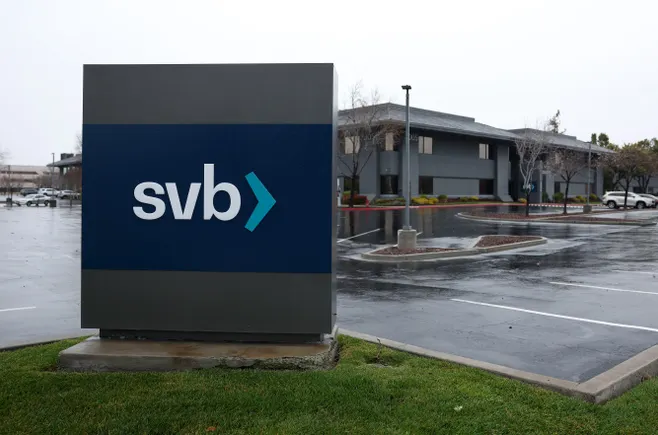
After the Silicon Valley Bank crisis, the threshold for reviewing technology enterprise suppliers has been raised
After Silicon Valley Bank (SVB) was taken over, financing channels for technology startups were blocked, and demand increased among enterprise IT departments for financial reviews and backup plans for suppliers. Multiple CIOs and analysts pointed out that supplier due diligence should be conducted in advance, with attention paid to hidden dependencies and merger and acquisition risks.

Analysis of the Effects of Large-Scale Layoffs in the Tech Industry: Talent Market Restructuring and Salary Normalization
The large-scale layoffs in the tech industry in early 2023 have drawn widespread attention. This article reviews the scale of the layoffs, corporate dynamics, and the chain reactions in the talent market. Data shows that so far in 2023, 485 companies have laid off more than 138,000 people, with giants like Meta conducting second rounds of layoffs. Experts point out that this is both a correction after overheated hiring and a normalization process in the labor market. Despite the short-term impact being significant, the long-term demand for technical talent remains strong, and salary growth is trending toward moderation.

New York City Restricts AI Hiring Tools, Implementation Details Still Unclear
A New York City law restricting the use of AI tools in the hiring process will take effect on January 1, 2023, seen as a pioneer in protecting job seekers from algorithmic bias. However, clear guidance on how employers and vendors can comply is still lacking, raising questions about the law's effectiveness. This article outlines the legal requirements, expert opinions, and legislative trends at the federal and state levels.

GitHub Copilot Reveals AI's Future Role in Software Development
The Copilot tool, launched by GitHub and OpenAI, is based on GPT-3's Codex engine and can learn from comments and code to instantly suggest lines of code or functions. Although it is not the only AI-assisted development tool, it has attracted attention for its ability to bridge the gap between business requirements and code implementation. However, its code quality, security, and computational resource demands remain major obstacles for enterprise-level adoption. Experts believe that in the future, developers will focus more on design and business alignment, while AI will handle more repetitive coding tasks.