
Deep Dive
来自我们记者的行业洞察

Lululemon AI and Technology Chief Departs Amid Looming CEO Transition
Lululemon's chief AI and technology officer Ranju Das has departed, according to a securities filing dated Thursday. The exit follows the reported departure of Chief Strategy Officer Rachel Acheson, raising concerns among analysts about talent turnover ahead of new CEO Heidi O'Neill's arrival.
AI Models Exploited by Hackers to Uncover Novel Attack Vectors
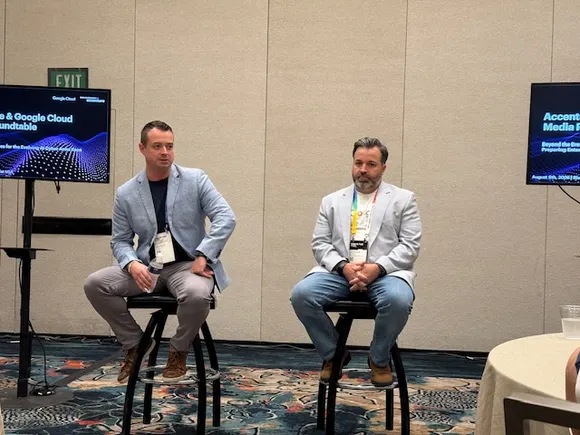
At Black Hat USA in Las Vegas, researchers from Accenture and Google Cloud revealed that threat actors are abusing AI models to discover new corporate network attack paths. While frontier models have guardrails, open-weight alternatives offer less oversight, enabling exploit development, faster attacks, and token theft. The trend intensifies as AI security incidents, like the OpenAI agent breach, fuel regulatory debates.

AI Productivity Talk on Earnings Calls Centers on Future Promise, St. Louis Fed Finds
New research from the Federal Reserve Bank of St. Louis reveals that corporate discussions about AI and productivity are overwhelmingly forward-looking, with 95% of AI-related productivity mentions on earnings calls referencing future gains. Despite heavy investment and experimentation, aggregate productivity data shows minimal impact so far, and employee-facing surveys indicate lingering skepticism.

AI shifts mainframe modernization strategy
AI technology is evolving from a threat to mainframes into an empowering tool, driving enterprises to move from 'discard and start over' to 'upgrade in place.' Vendors are launching COBOL modernization assistants, and enterprises are building self-developed platforms to accelerate code conversion, but Gartner warns that over 70% of migration projects may fail due to overestimating AI.

Are grocers making smart investments in back-end AI?
Grocers are accelerating the application of AI to back-office operations, such as inventory checks, demand forecasting, and pricing optimization. Experts believe that, compared with flashy consumer-facing tools, back-office AI can more directly address industry pain points, but success depends on data quality, organizational alignment, and senior leadership support.

Cyber insurance policyholders facing heavier scrutiny in underwriting, claims
As cyber insurance rates decline and insurers' profitability pressures rise, insured enterprises are facing stricter review in both claims and underwriting processes. The global market is highly dependent on large U.S. policyholders, and systemic risk concerns are prompting insurers to upgrade risk models and strengthen requirements for security governance. The protection gap for small and medium-sized enterprises remains significant, while new risks such as geopolitical conflicts and artificial intelligence applications are reshaping the boundaries of claims.

How Microsoft, partners are tackling ‘huge, huge task’ of making security software safer
Microsoft is collaborating with multiple security vendors to advance the Windows Resiliency Initiative, planning to migrate security software from kernel mode to user mode to enhance system resilience. The project originated from the CrowdStrike update incident in 2024 and is still in its early stages, facing technical challenges and market pressure, and is expected to proceed over the long term.
Neoclouds size up enterprise opportunities
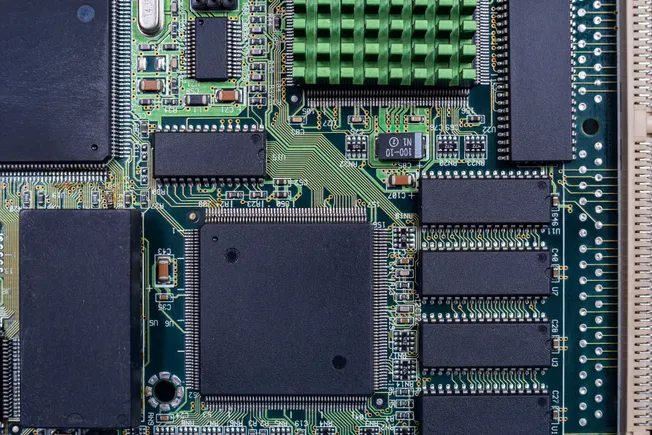
Hybrid cloud strategies continued to gain popularity in 2025, driving increased interest in specialized AI clouds or neocloud providers. According to a Synergy Research Group report, neocloud revenue in Q2 2025 grew 205% year-over-year, with the full year expected to exceed $23 billion. Facing intense competition in 2026, neocloud providers need to deepen their focus on the enterprise buyer market.

What’s holding enterprises back from AI agent success?
AI agents are seen as the next wave of enterprise automation, but over the past year, most companies are still exploring suitable adoption processes. Incomplete governance frameworks, insufficient security protections, low technological maturity, and employee change management have become major barriers. Based on KPMG surveys, Gartner forecasts, and insights from executives at multiple companies, this article explores how enterprises can prudently advance their AI agent strategies.

Is OpenAI still the enterprise tech influencer it once was?
The release of ChatGPT quickly brought OpenAI into the purview of enterprise CIOs, but two years later, industry experts are divided on whether it can continue to lead enterprise technology trends. Enterprises are no longer enamored with the novelty of AI, instead pursuing quantifiable returns on investment, and OpenAI's market share has dropped from 50% last year to 34%, with competitors like Anthropic rising. Despite this, OpenAI remains the third-largest venture-backed company globally with a valuation of $157 billion and over 1 million paid business users.