
Deep Dive
来自我们记者的行业洞察

How Technology Empowers Training and Development for Non-Desk Employees
80% of employees globally are non-desk workers, who find it difficult to receive traditional training due to the nature of their work. Technology is providing flexible, personalized learning solutions through microlearning, mobile platforms, and data analytics, meeting employees' immediate learning needs and helping companies accurately identify training gaps.

The Motivations Behind Slack's IPO and Its Implications for the Collaboration Software Market
Slack filed for its IPO last month, a move seen as a barometer of the health of the collaboration software market. Drawing on insights from multiple industry experts, this article outlines the context of Slack's listing, the development history of collaboration tools, and future competitive trends.


Is the Skills Gap Based on a Lie?
A study presented at a meeting of the American Economic Association points out that the skills gap is largely caused by employers raising hiring requirements during recessions and not adjusting them after recovery. Several experts believe that the skills gap does exist, but it is necessary to distinguish between genuine skill shortages and issues of employers' excessively high salary expectations.

As the era of self-regulation comes to an end, companies worry that data privacy is entering uncharted waters of risk
U.S. data privacy regulation is shifting from industry self-regulation to mandatory legislation, with the California Consumer Privacy Act (CCPA) set to take effect next year, and similar bills proposed in states like New Jersey and Washington. The marketing industry is worried about the ambiguity of the regulations and is calling for a unified federal privacy law. Companies face challenges such as rising compliance costs and increased risk of fines, while consumer demands for control over their data are growing stronger.

2019 IPO Outlook: Tech Stock Listing Boom Expected to Continue, Unicorn Performance in Focus
In 2018, both the number and amount raised in tech company IPOs grew, and the market is expected to remain active in 2019. The listing performance of unicorns such as Uber and Lyft will affect investor sentiment, while private equity and venture capital have extended the privatization cycle of companies, and the direct listing model has also drawn attention.
Build or Acquire: How AWS Balances In-House Development and Strategic Acquisitions
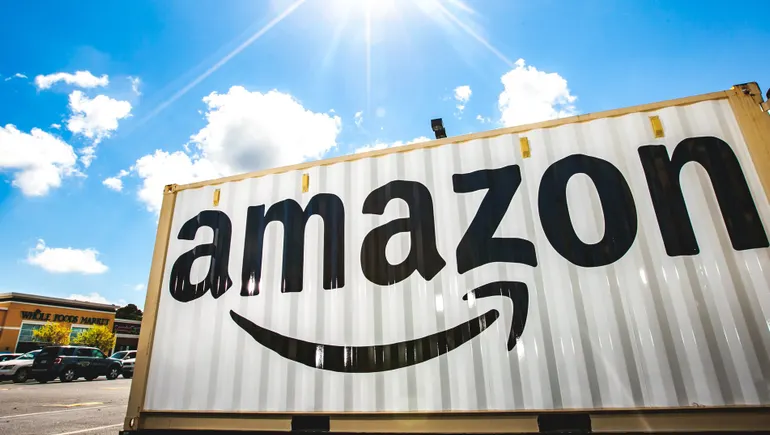
In the past month, AWS quietly acquired cloud optimization startup TSO Logic and disaster recovery specialist CloudEndure, but these two deals have not changed its long-term strategy of prioritizing in-house development. Over the past five years, AWS has made far fewer cloud-related acquisitions than Microsoft Azure and Google Cloud. The launch of AWS Backup has further strengthened its hybrid cloud capabilities, potentially squeezing the survival space of third-party backup vendors.

The Name of a Tech Company: Definition, Responsibility, and the Reality Behind the Halo
A Silicon Valley zip code is not a natural passport to being a tech company. The European Court of Justice once ruled that Uber is not an "information society service," prompting questions about the definition of a tech company. From Forrester analysts to the CIO of Pei Wei, various voices clash: a true tech company should build technology for customers to use, rather than merely using technology as a business support. Traditional retail, finance, and dining are embracing technology, but self-awarding the "tech company" title may bring a double-edged sword effect of regulation and responsibility.

Retailers Avoiding AWS: Overreaction or Reasonable Choice?
Against the backdrop of dual competition in e-commerce and cloud computing, some retailers deliberately avoid Amazon AWS due to concerns about data sharing and profit feedback, opting instead for Microsoft Azure or Google Cloud platforms. Gartner analysts point out that AWS needs to strengthen isolation messaging to alleviate customer concerns; Microsoft has explicitly stated it does not use customer data. Although AWS still retains major clients like Netflix, the 'blacklist' effect in the retail sector may trigger a brand crisis.

"A law without teeth is a dead letter": Six months after GDPR took effect, the industry still awaits major enforcement
Six months into GDPR implementation, only sporadic enforcement cases have emerged, raising concerns about the regulation's lack of enforcement power. Experts predict more fines and notifications in 2019, but major penalties may still take time. U.S. federal privacy law is still in the works, while states like California and Colorado have already enacted legislation.