
OpenAI Releases Daybreak Cybersecurity Initiative, Directly Responding to Anthropic Mythos Challenge
OpenAI introduces the Daybreak cybersecurity initiative, aiming to help enterprises build autonomous defense capabilities from the ground up through AI reasoning and agent technology. The product is positioned against Anthropic's Mythos and has attracted partners such as Cloudflare and Cisco. Analysts suggest that enterprise technology leaders should actively evaluate the potential of such AI security tools.
Core Overview
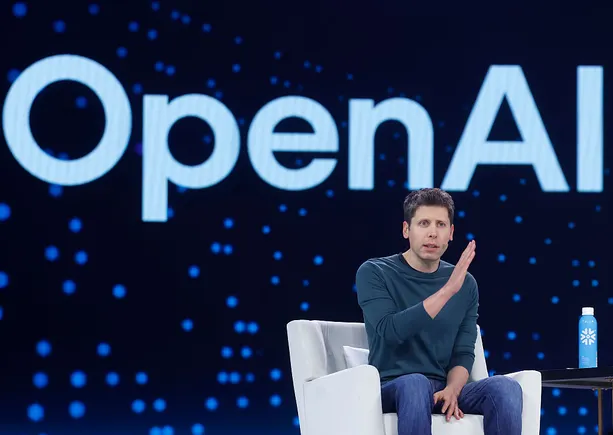
- OpenAI officially released a new cybersecurity initiative on Monday calledDaybreakwhich leverages its large language models, Codex's agentic capabilities, and security partner resources to proactively identify risks and trigger defensive responses. This move is seen as OpenAI's direct response to Anthropic's Mythos model, which was launched in limited preview last month and has already exposed weak security links in multiple industry software products.
- Similar to Anthropic'sProject Glasswingwhich sought technology vendor support for Mythos, OpenAI will collaborate with industry and government partners to deploy models with cyber capabilities, aiming to embed autonomous cyber defense features into software from the design stage. According to OpenAI, companies such as Cloudflare, Cisco, CrowdStrike, Oracle, and Zscaler are already using the technology. Unlike Mythos, Daybreak is open to the public, and enterprises canapply for security risk assessments。
- As AI vendors compete for enterprise market share in cybersecurity tools, technology leaders should actively try various options, said Jeff Pollard, vice president and principal analyst at Forrester, in an email to CIO Dive: "Have the people responsible for technology and cybersecurity innovation try these capabilities and see what they can deliver."
Deep Insights
Anthropic's Mythos brought the SaaSindustry to a standstilllast month, as its technical preview revealed significant pre-existing vulnerabilities in global software infrastructure. This has raised growing concerns about how AI obtains information and enterprises' ability to defend against risks.
"We know AI can help solve problems, but the time gap between discovering vulnerabilities, developing fixes, and deploying patches remains too long," Pollard said. "Especially when attackers use AI to scale their attacks, this is a way to use AI to address that challenge."
OpenAI said the Daybreak initiative operates in three phases. First, it uses AI reasoning and token usage to prioritize high-impact threats; then, under controlled access, monitoring, and review, it directly generates and tests risks within enterprises; the final phase involves delivering audit-ready evidence to help companies track, verify, and remediate vulnerabilities.
Gartner vice president analyst John Watts noted in an email to CIO Dive that OpenAI's Daybreak more directly competes with application security, posture management, and AI-driven application security testing capabilities.
"We believe it will complement the use of these tools rather than completely replace them," Watts said. "Organizations must deploy resources across the entire remediation chain, including patch testing, deployment, and rollback, to reduce the operational impact of patching, rather than relying solely on the application security agent Codex Security."
Pollard believes that for enterprise technology leaders, now is the time to reassess security technology portfolios and compare offerings from AI vendors versus traditional cybersecurity vendors.
He added that it's important to remember that AI companies need people to consume their products, purchase subscriptions, and use tokens.
"This is one way to achieve that," he said. "Meanwhile, consulting firms simultaneously announcing enablement services indicates that AI companies want to focus on AI itself, rather than the enablement work that comes with it."
OpenAI on Mondaylaunched a separate consulting businessaimed at providing AI adoption assistance to organizations, deploying field deployment engineer teams on-site, and expanding its AI talent pool through acquisitions. Last week, Anthropic also launched its own enterprise AI services firm, partnering with multiple private equity companies.